What is the difference between backsiphonage and backpressure?
Backsiphonage occurs when supply pressure drops below downstream pressure, creating suction toward the drinking-water line. A water-main break, heavy hydrant use, or other pressure loss can create that condition. A sprinkler head sitting in soil and pooled water illustrates why a culinary-connected irrigation line needs protection even when the system normally pushes water outward.
Backpressure occurs when the connected system develops more pressure than the supply. A pump, boiler, elevated tank, thermal expansion, or process equipment can create that push. Device capabilities differ: a PVB protects against backsiphonage in approved uses but not backpressure, while an RPZ and some double-check assemblies address both within their hazard limits.
Which connections should a property inventory?
Start with irrigation, fire lines, boilers, hydronic systems, chemical dispensers, pools and spas, decorative water features, laboratory or medical equipment, commercial dishwashing, vehicle wash equipment, hose connections, and any temporary bypass. For each, identify the water source, account or meter, connected equipment, existing protection, location, and responsible person. A device list without the connected hazard cannot support a thoughtful decision.
At home, hose-bib vacuum breakers are useful on outdoor faucets, and West Jordan’s 2023 water-quality report recommends them. Those small non-testable devices are not interchangeable with a testable PVB, RPZ, DC, or SVB on a regulated connection. A property can need both simple point-of-use protection and an annually tested assembly in different places.
What can you safely check before an appointment?
Photograph the notice, utility bill heading, assembly from several feet away, device tag, visible pipe route, and any leak. Count the devices you can safely access. Note which systems use culinary or secondary water and whether a recent repair, remodel, irrigation change, tenant buildout, or equipment installation altered connections. Do not open pressurized covers, enter restricted spaces, plug a relief port, or operate unfamiliar shutoffs.
For commercial sites, gather drawings and prior reports but verify them against current equipment. A paper device can be removed, relocated, or assigned to the wrong meter; a physical device can be added without reaching the inventory. The program administrator ultimately controls the official record. Your prework makes the discrepancy visible without pretending to be the formal survey.
When is a formal survey or administrator needed?
Utah systems serving 500 or more people need a certified Cross Connection Control Program Administrator under R309-105-12. A water provider may conduct hazard surveys, inspections, inventory updates, or enforcement. TBID publishes authority for surveys and inspections. Complex facilities, new equipment, changed hazards, repeated failures, or unclear connections can need program or engineering review beyond an annual field test.
Ask the city or district what determination it needs and who may provide it. A Backflow Assembly Tester certification covers the defined tester role; it does not automatically make every tester the program administrator, engineer, plumber, fire-protection specialist, or authority having jurisdiction. Good scope names the decision and the credential rather than treating “backflow” as one universal license.
How do device type and hazard connect?
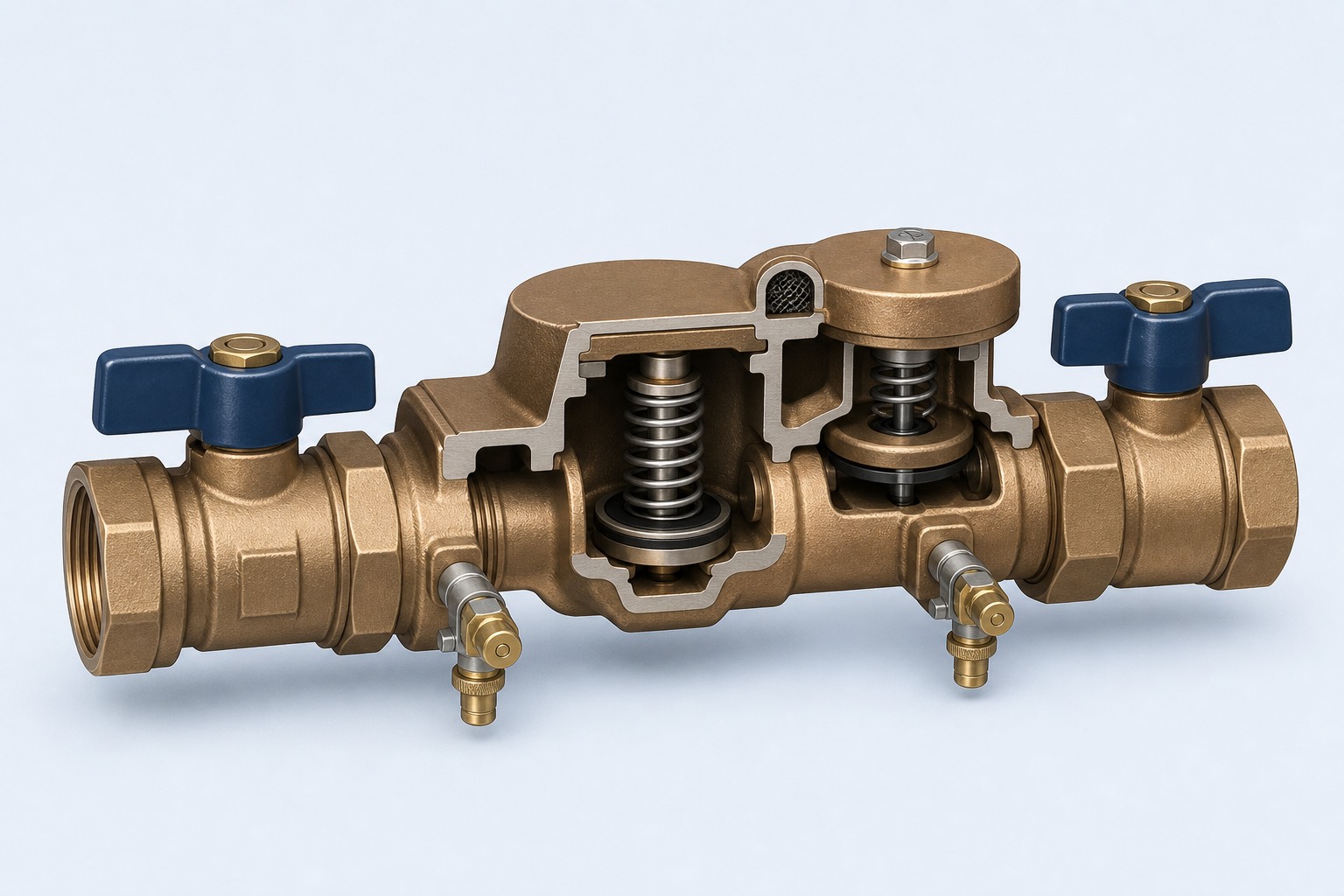
Testable assemblies include RP or RPZ, double check, PVB, and spill-resistant vacuum breaker designs. Non-testable examples include atmospheric vacuum breakers, swing checks, and some dual checks. An air gap is a physical separation rather than a valve; KID says air-gap setups need visual checks. The correct protection considers health hazard, backsiphonage, backpressure, continuous pressure, elevation, drainage, and local approval.
A device that looks more substantial is not automatically correct. An RPZ provides a relief zone but needs discharge space. A PVB must be elevated and does not cover backpressure. A DC is not the high-hazard substitute for an RPZ. Use the device guide to recognize forms, then confirm the requirement with the water provider before installation or replacement.
What does cross-connection support cost?
A routine field test can use the $100–$200 northern Utah residential comparison, but inventory reconciliation, a formal survey, multiple assemblies, drawings, fire systems, inaccessible devices, or engineered corrections are different scopes. Ask the provider to separate the testable assembly work from survey, plumbing, design, access, repair, and filing work. A single blended number hides which professional is responsible for each decision.
For replacement, national June 2026 data averages about $350 with a $150–$450 common range, and northern Utah parts may start around $250. Complex commercial assemblies can reach thousands. Those figures help frame questions, not price a hazard correction sight unseen. The written quote comes after the actual connection and required role are identified.