What happens to the information you submit?
The form asks for your name, phone, city or water district, due date, ZIP, service need, and helpful device or access details. Those fields let us match the request without collecting a full water-account number, payment card, gate code, medical detail, tenant file, or unrelated personal mail. Do not send sensitive information that the first scheduling step does not need.
Submitting the form authorizes West Jordan Backflow to send those details to an independent local service provider so that provider can contact you about scheduling and a written quote. Calling creates the same practical routing request. We do not promise that every provider will accept every address, deadline, device, access condition, or repair scope.
Who performs the test, repair, and filing?
The state-certified tester sent by the independent service provider performs the field test and records the readings. The provider is responsible for confirming the individual’s current certification and any additional license required for repair or installation. The tester completes the accepted report and sends it to the correct city or district under that program’s procedure.
West Jordan Backflow arranges, schedules, routes, and reminds. We do not operate the gauge, open the assembly, replace parts, install the device, sign the tester certification, or control city acceptance. Those distinctions are especially important in a regulated trade because a brand voice should never blur who is accountable for the physical work.
Who sets the price and service terms?
The independent service provider sets the quote, fees, availability, payment terms, warranty terms, cancellation rules, and work scope. West Jordan Backflow publishes sourced market ranges to help you ask informed questions, but a $100–$200 northern Utah testing comparison is not a guaranteed price. The provider should give the address-specific written quote before work proceeds.
If the device fails, ask the provider for the measured value, affected component, repair amount, retest, filing, and replacement comparison. Authorization for the annual test is not blanket authorization for repairs. Your service agreement is with the provider identified in the quote, and questions about the work or invoice should name that actual party.
How do we avoid misleading trust signals?
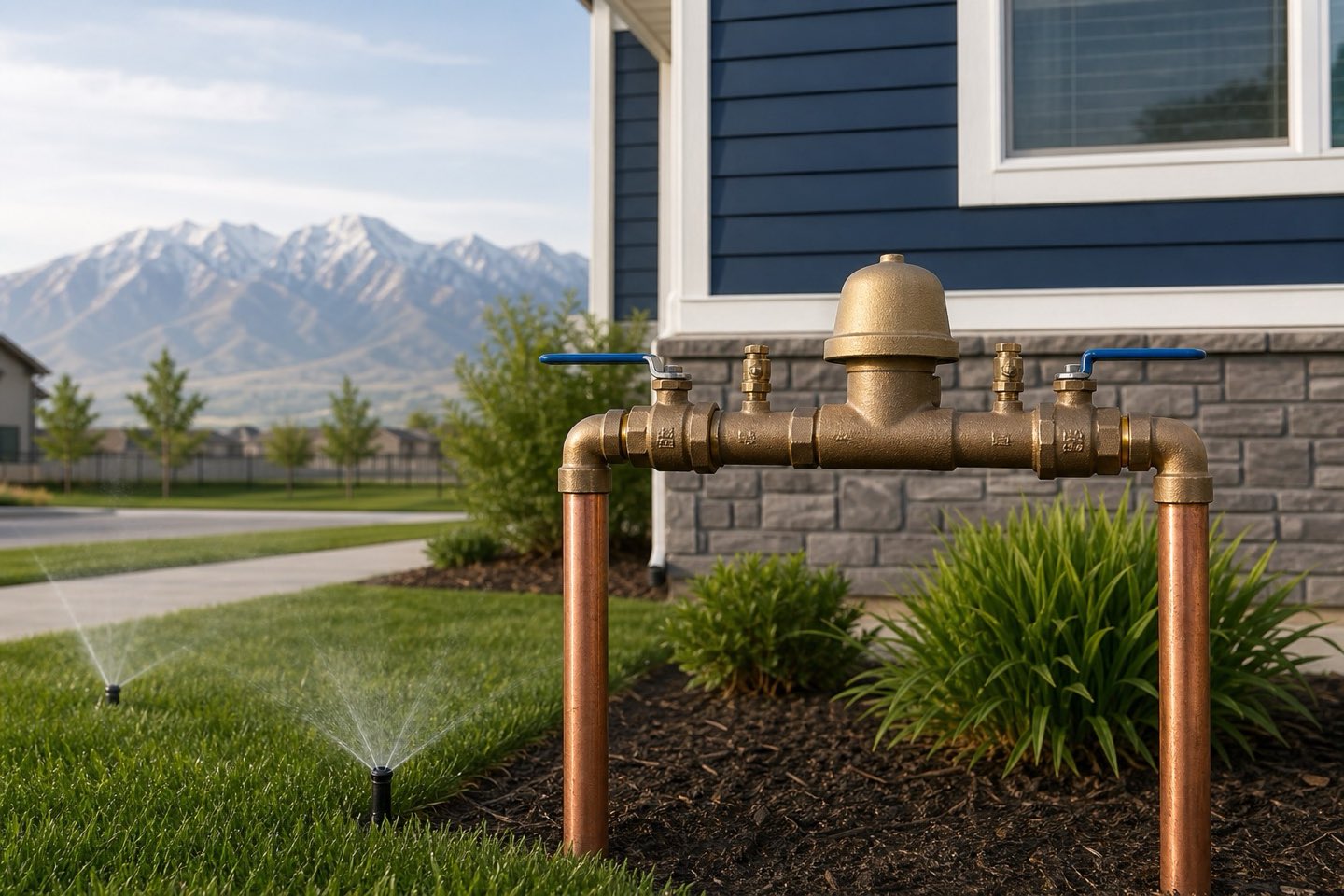
We do not invent an owner, tester, crew, office, address, fleet, customer count, review, star rating, license, insurance policy, utility partnership, or project portfolio. Generated educational imagery is not presented as a local completed job. Municipal facts link to the authority, prices carry sources and dates, and unverified notice deadlines are replaced with the official contact.
That clarity follows the practical principle behind FTC endorsement and advertising rules: a customer should understand material relationships and should not be led to believe the referring brand is the regulated service provider. The form, footer, and this explanation place that relationship where a person making the decision can see it.
What should you verify before agreeing to service?
Verify the tester through Utah’s WaterLink list. Verify the city or district and deadline through its official contact. Read the quote for the provider’s legal or business identity, device count, test, filing, copy, access, travel, retest, repair authorization, price, and terms. For repair or installation, confirm any additional Utah license the scope requires.
After the visit, keep the readings, pass or fail result, tester information, filing proof, invoice, authorized repair and passing retest, and next annual date. A transparent routing relationship should leave you with more evidence and a clearly named provider—not a mystery about who did what.